Below is a sampling of picture book titles that will be available in the ASIJ ES Library in August. If you are at a local library or at a bookstore this summer, I strongly recommend these NEW titles.
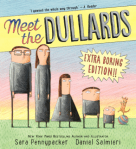

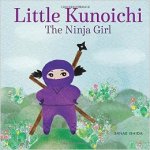

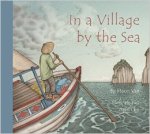


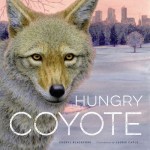
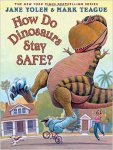

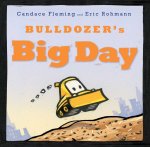
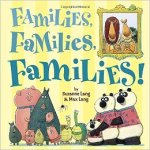

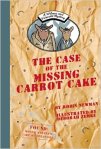
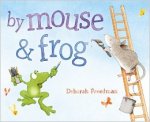


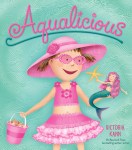


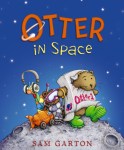
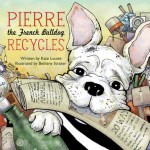
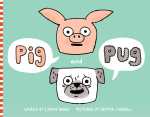


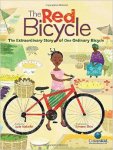


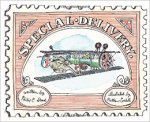








Below is a sampling of picture book titles that will be available in the ASIJ ES Library in August. If you are at a local library or at a bookstore this summer, I strongly recommend these NEW titles.
Ms. Pretz’s Summer Reading Recommendations
Read Alouds – Grades 1-2 Great Reads – Grades 1-2 Great Reads – Grades 3-5
Click on link to print your own brochure.
ASIJ ES Summer Reading Brochure Gr. 1-2
ASIJ ES Summer Reading Brochure Gr. 3-5
A big hat tip to Ms. Bethany Fields for the layout and design of this year’s brochure!
 Reading Matters
“Kids who don’t have educationally rich summers will be nearly three years behind their peers by the time they reach the end of the fifth grade… Much like we would expect an athlete or a musician’s performance to suffer if they didn’t practice regularly, the same thing is true for young people when it comes to reading performance.”
— Ron Fairchild, Founding CEO, National Summer Learning Association
When visiting a library or bookstore this summer, I hope you find the following lists helpful. – Ms. Pretz ASIJ ES Librarian
 Every Hero Has A Story
Our summer reading theme this year is “Every Hero Has A Story”. There are Many summer reading programs in the United States are also using this theme.
K – Grade 2 Grades 3-4 Grades 5-6
Read Aloud America
2015 Recommended Read Aloud List
Fans of Diary of A Wimpy Kid
A few NEW library titles coming this August for fans of Harry Potter: Story Thieves by Riley James, Alistair Grim’s Odditorium by Gregory Funaro, The Forbidden Library by Django Wexler, The Book of Storm by Ruth Hatfield, Finding Serendipity by Angelica Banks, Gabriel Finley & and the Raven’s Riddle by George Hagen
OUTSTANDING SUMMER READING LISTS – Professional Organizations
American Library Association
Association for Library Service to Children
Bank Street Books – Best of the Year
Horn Book Summer Reading Recommendations
International Reading Association
Kirkus Review
Best Books of 2014 Best Book Nominees for 2015
OUTSTANDING SUMMER READING LISTS – School/Public Libraries
HAISLN Summer Reading Lists 2015
Preschool – K Reading List Grades 1 & 2 Reading List
Grades 3 & 4 Reading List Grade 5 Reading List
Boston Public Schools
Book List Grades K – 2 (PDF) Book List Grades 3 – 5 (PDF)
Sources:
“Read More” by Schools.natlib.govt.nz under creative commons license.
“Every Child A Hero” lists compiled for the Connecticut Department of Education by Linda Williams.
Go to these helpful sites to find great new titles. Simply type in the title of a book you loved and a list of similar titles will pop up.
(Click on icon.)



Who can participate? Students and families who will be returning to ASIJ this fall.
What is it? Students and parents check out library books to take home over the summer.
When is it? June 8th, 9th, and 10th from 7:45 am – 3:15 pm.
How do I participate?
Step 1: All library materials (including all family checked out books) must be returned by Friday, May 29th.
Step 2: Complete the permission form below and return to the ES library by Tue., June 2nd.
Step 3: Come to the library to find your summer check-out books on June 8th, 9th, or 10th. If unaccompanied, students may only check out 5 books per day. Checkout limit is 25 books per student and 25 books on the family account.
Step 4: Return books to the library on student orientation day: Monday, August 24th.
eBook Opportunities

ES students have worldwide access to eBooks through our school subscription to Big Universe and TumbleBooks. Access to these books is free of charge.  Please check the library blog for details on how to log in.
The digital books page is a password protected page. The password is: asij
QUESTIONS? Please call the elementary library at ext. 293 (Tammy, Carol or Bethany)
Sign below where appropriate and return to the library by Tuesday, June 2, 2015
You only need to return this form is you would like to check books out for the summer.
Summer Checkout Permission Slip
Parent Name : ________________________________________
Student Name : ___________________________ Class:_____
Student Name : ___________________________ Class:_____
By signing this I am stating that my child(ren) will be attending ASIJ next fall.
Parent Signature: _______________________________________
Recommended Summer Reading Lists – Click to Open.
Every Hero Needs A Story
Best of the Year & Great Reads
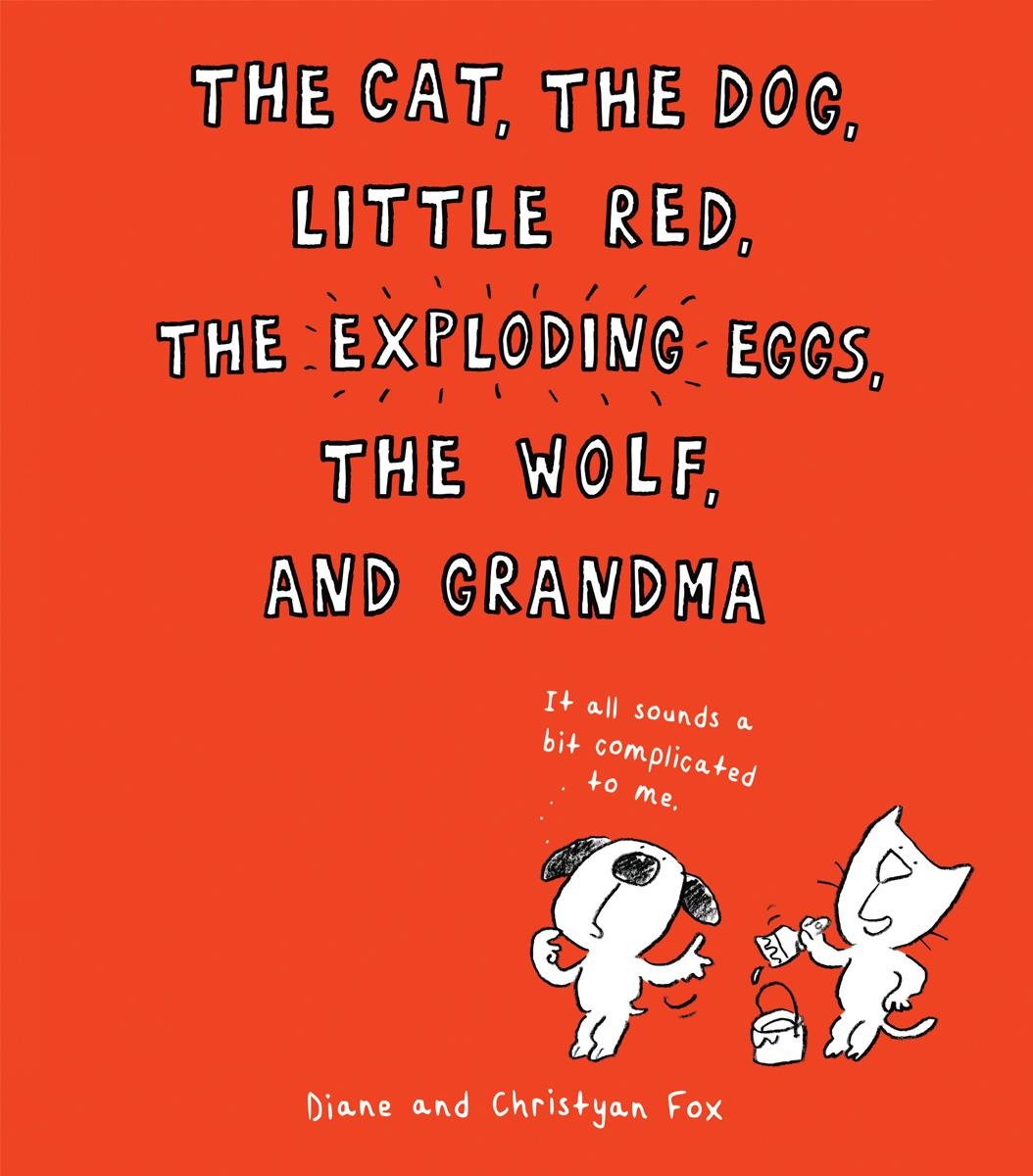
The Cat, the Dog, Little Red, the Exploding Eggs, the Wolf, and Grandma
by Diane Fox
This book was a sure fire hit when I read it book earlier this month during library class with second graders. Unfortunately, it didn’t make it onto next year’s Sakura Medal List.
Watch the videos below.
What do you notice?
What do you wonder?
Foul Shot by Edwin Hoey
Forest Walk by Kristine O’Connell George
No Breathing in Class by Michael Rosen
Catch a Little Rhyme by Eve Merriam
Early Memory by January Gill
Who Burns for the Perfection of Paper by Martín Espada
Analysis of Baseball by May Swenson
A Minor Bird by Robert Frost
After watching these videos, what ideas do you have for your own performances?
Tips for Poetry Performance by Renee M. LaTulippe
1) Score Your Poem: Create a roadmap for your performance.
2) Find Your Pace: Save your pauses for the punctuation not all of the line breaks.
3) Use Good Diction: Pronounce words clearly.
4) Be Natural & Have Fun!
More Tips for Poetry Performance

